EcoCertified®
Rigorous Growing Practices
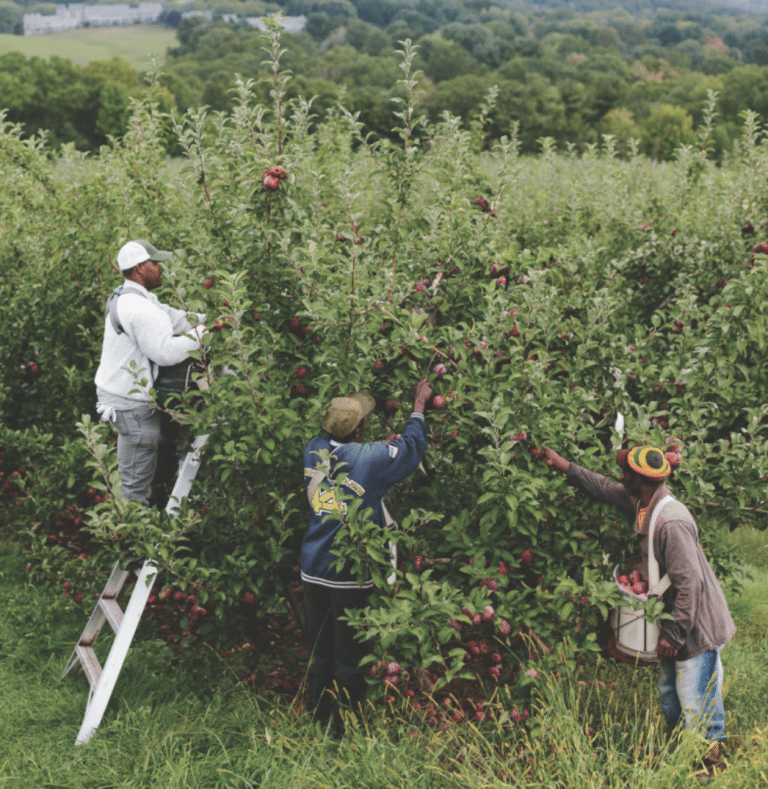
EcoCertified® growers are focused on protecting pollinators, beneficial insects, and environmental resources while growing marketable crops. Our growing practices reduce risk to both the natural environment and humans through carefully monitored, science-based approaches.
Why EcoCertified®?
Growing conditions vary dramatically across regions. While over 93% of certified organic apples come from the Pacific Northwest where the climate is arid, farmers in the eastern United States face different challenges – from increased pest pressure to higher rainfall and humidity. That’s why one-size-fits-all growing protocols aren’t always the best solution.
The Eco program has created rigorous protocols specifically designed for regional conditions, bringing together the expertise of scientists and farmers to develop environmentally friendly practices that work for local climates and growing conditions. What started in the Northeast has grown into a model that can be adapted for other regions, supporting sustainable agriculture across the country.
Three Pillars of EcoCertified®
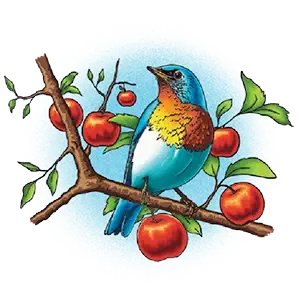
Happy Bees
Protecting bees and pollinators with careful ecological methods that preserve the habitats where they nest and feed. Our farmers create balanced ecosystems that support these essential partners in growing great fruit.Healthy Trees
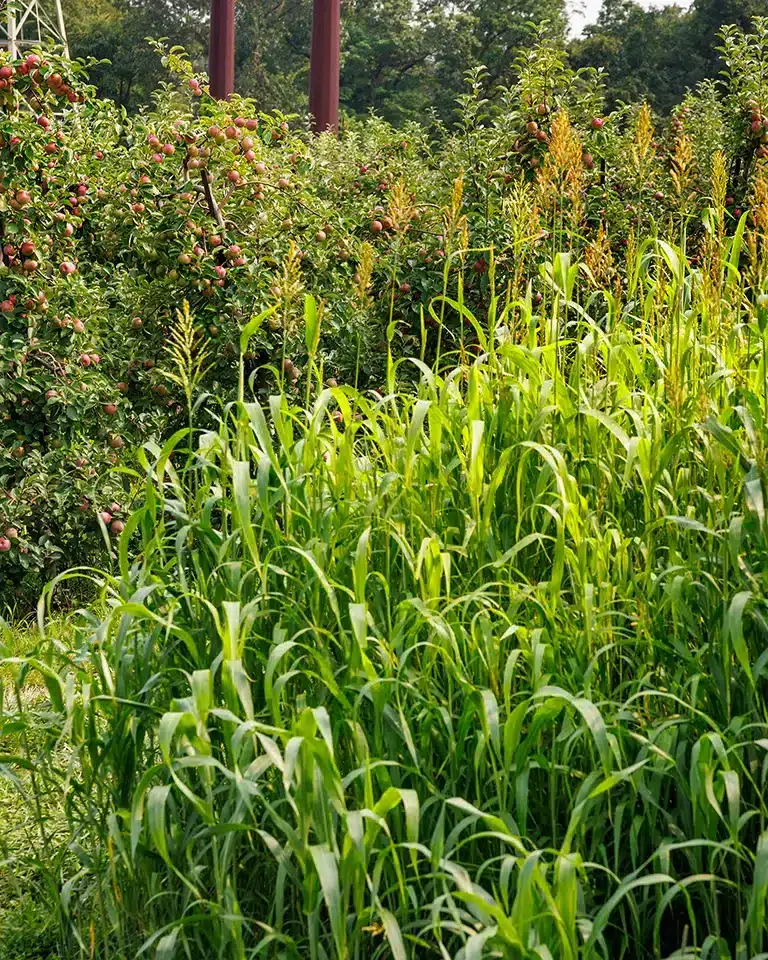
Promoting balanced ecosystems that support healthy soil, foster biodiversity, and conserve resources. Our orchards use practices designed to work with nature, encouraging beneficial insects and birds that help maintain orchard health naturally.Amazing Fruit
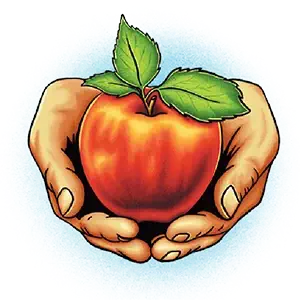
Farming with care using sustainable approaches that produce thriving orchards and great-tasting fruit for you, your neighbors and the community. When you choose EcoCertified, you’re supporting farmers who are committed to growing food the right way.Our Standards
The EcoCertified® Core Protocol covers seven essential areas:
- Operations, Food Safety and Management
- Ecosystem and Water Conservation
- Orchard Floor Enhancement
- Soil Health
- Pest Management and Pesticide Risk Reduction
- Pollinator Protection and Enhancement
- Energy and Waste Management
The protocol is updated annually to reflect the latest research and best practices, developed in collaboration with farmers, scientists, and agricultural experts.
Advanced Integrated Pest Management
Most sustainable fruit growers — including organic, biodynamic, and EcoCertified® — rely on Integrated Pest Management (IPM) philosophy in their orchards. IPM is an ecosystem-based strategy that focuses on long-term prevention of pests and their damage through techniques including:
- Biological control
- Habitat manipulation
- Resistant varieties
- Careful monitoring and prevention
- Targeted treatments when necessary
Treatments are made to protect fruit quality and strengthen the orchard overall and are chosen based on least-toxic options that target specific pests and minimize damage to other species, soil, water and orchard ecosystem. IPM practices vary by location, season, climate and variety, and must be adapted to the region and specific orchard in which they are applied. IPM practices vary by location, season, climate and variety, and must be adapted to the region in which they are applied.
Scientific Partnerships
In partnership with the IPM Institute of North America and scientists from across the country, we continually evaluate Eco protocols to include the most up-to-date research. We rely on experts like:
- Regional agricultural extension services
- The Danforth Lab at Cornell University(opens in new window)
- The Xerces Society(opens in new window)
- Leading IPM researchers and practitioners
These partnerships ensure our standards reflect current science while remaining practical for farmers.
Measurable Results
Our commitment to a positive environmental impact has shown real results. A 2017 analysis of audit records showed that use of high-risk chemicals among five EcoCertified® orchards had decreased 59% since 2004, and has continued to drop 18% since 2010.
Connect with Red Tomato
Contact us to learn more about how we can benefit your farm, and our environment and communities.